Dondorf
The luxury playing card factory founded in Frankfurt am Main by Bernhard Dondorf in 1833 existed for 100 years.

B. Dondorf (1833-1933), Frankfurt am Main.
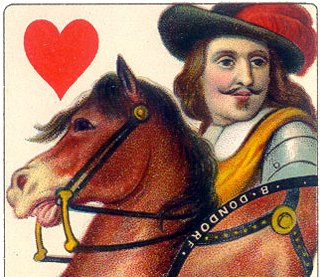
Bernard J. Dondorf was born in Frankfurt on 19th March, 1809, the son of Jewish immigrants. After serving his apprenticeship at C. Naumann printers, he opened a lithographic printing business in 1833. In the early days Dondorf traded in every kind of accessory for the printing industry: from printing presses, machines for stone engraving, lithographic stones, chalks and visiting cards to wine labels, stationery, inks and papers and he was also involved in security printing. Always on the lookout for innovations in the graphic arts industry, and with the rise of chromolithography, Herr Dondorf was in a position to enter the playing card and card game manufacturing business. Playing cards were first mentioned in advertisements in 1839. His first packs were produced in the 1840s by steel engraving and stencil-coloured lithography. In 1853 he purchased a steam engine and gradually increased his output of playing cards under the name “B. Dondorf, Frankfurt a. M.” In 1871 Dondorf opened a new factory in Bockenheimer Landstrasse. In 1872 Bernhard Dondorf retired leaving the business in the hands of his sons who continued to expand the business and build new factories.
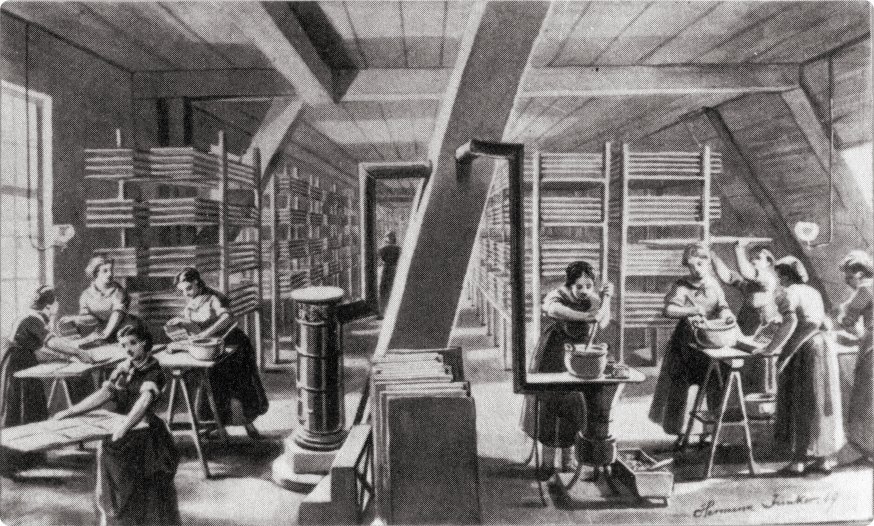
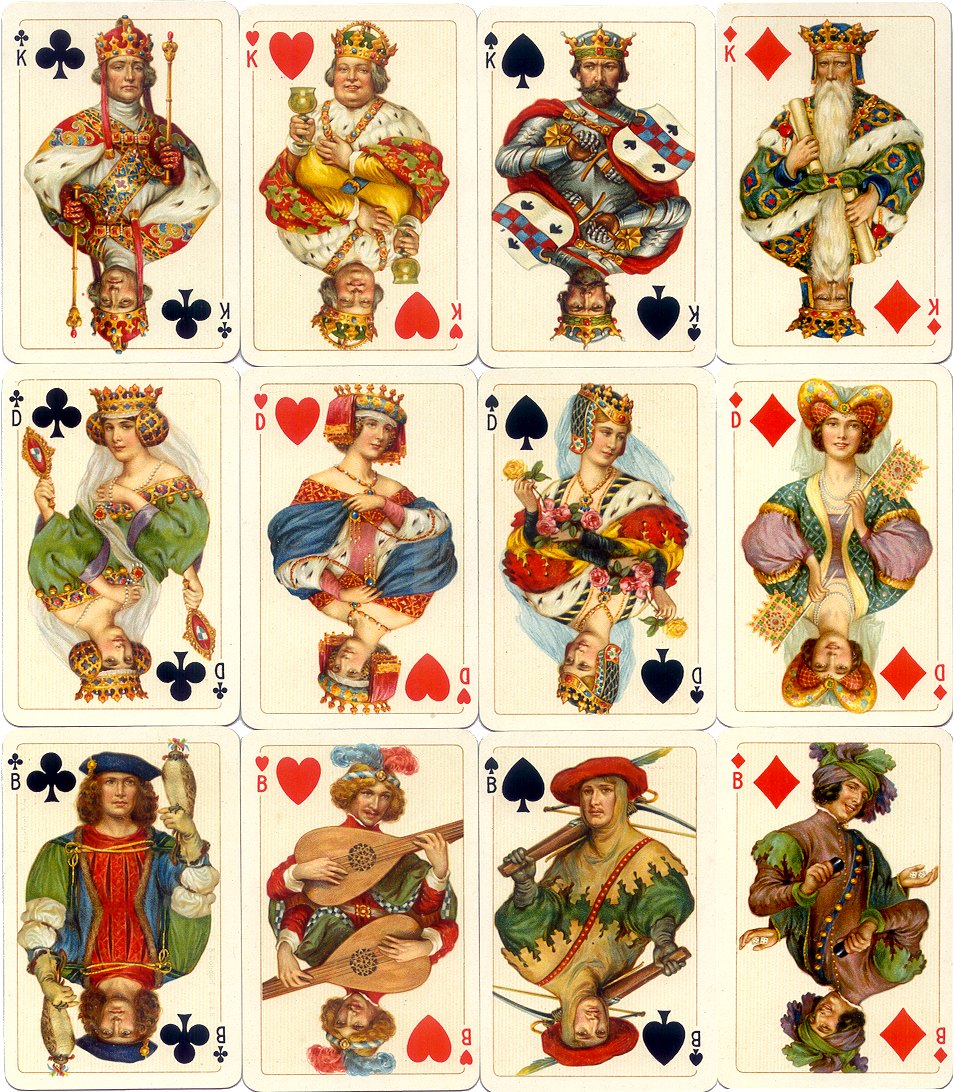
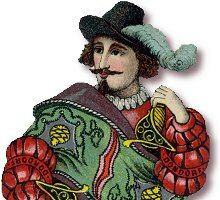
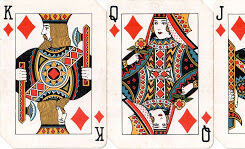
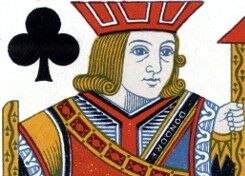
The luxury playing card factory founded in Frankfurt am Main by Bernhard Dondorf in 1833 existed for 100 years and was a particularly attractive chapter in playing card history. Dondorf's chromolithographed cards are especially admired amongst collectors owing to the exceptional high standard of design and craftsmanship in their production. Many fine beards and moustaches can be seen in Dondorf's playing cards, along with fancy (pseudo-late medieval, baroque or rococo) period costumes and flamboyant characters, sometimes solemn, sometimes cheerful! Indeed Dondorf's output still influences playing card designs to this day.
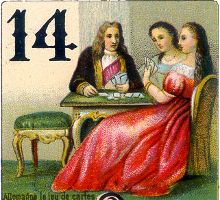
During their time in business as playing card manufacturers Dondorf produced a variety of standard and regional packs for home use and export; luxury packs, often with recognizable portraits of royalty or other notables; advertising and promotional decks; patience packs; souvenir packs with scenic Aces; fortune-telling packs, and so on. Dondorf also began producing card games (rather than playing cards) in around 1870 with a then fashionable “Question and Answer” game which was obviously aimed at children because all the illustrations were of children. Around the same time there were children’s quartet games and a musical game. By 1900 the “Struwwelpeter” game and “Wappen Quartet” were on the market. A “Black Peter” game appeared by 1905 but not so much with pairs of characters but pairs such as Trees, House and Cyclists. It seems that all the games cards were catalogued with a number beginning with a “3” and many are numbered between 314 and 352. This would suggest that at least 37 games were published up to the time when Dondorf were taken over. At this point Spears purchased the rights to the card games and continued to publish the educational ones featuring flowers and animals etc.
- Cartes Comiques, c.1860
- Musikalisches Kartenspiel, 1862
- Four Continents, c.1870
- Four Continents Patience
- Club Karte
- Java Speelkaarten No.17, 1879
- Whist No.122, “Rhineland”
- Mittelalter No.150 ¦ Piquet No.151 / Portuguese German-style deck
- Rokoko-Bild No.158, “Rococo”
- Whist No.160, “Baronesse”
- Whist No.170/171/172, “Empire”
- Schweizer-Trachten No.174 "Swiss Costumes"
- Whist No.178, “Stuart Zeit”
- Luxus Club-Karte No.184
- Englische Karten No.190, 1867-1895
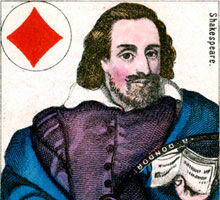
- Whist No.192 / Shakespeare-Spielkarten
- Birma Karte No.194
- Tarot Microscopique, c.1870
- Tarot Microscopique, c.1920
- Medicaer Spielkarte No.272
- Naipes Finos No.304 Spanish Suited Pack
- Pierre l'Ebouriffé no.314
- Ende gut / Alles gut no.323
- Schwarzer Peter no.330
- Flora Quartett no.332
- Zoology Quartet no.335
- Wappen-Quartett no.340
- Fruits et Légumes No.342
- Die Vogel-Welt No. 351
- Figures Amusantes No.352
- Kinder-Karte
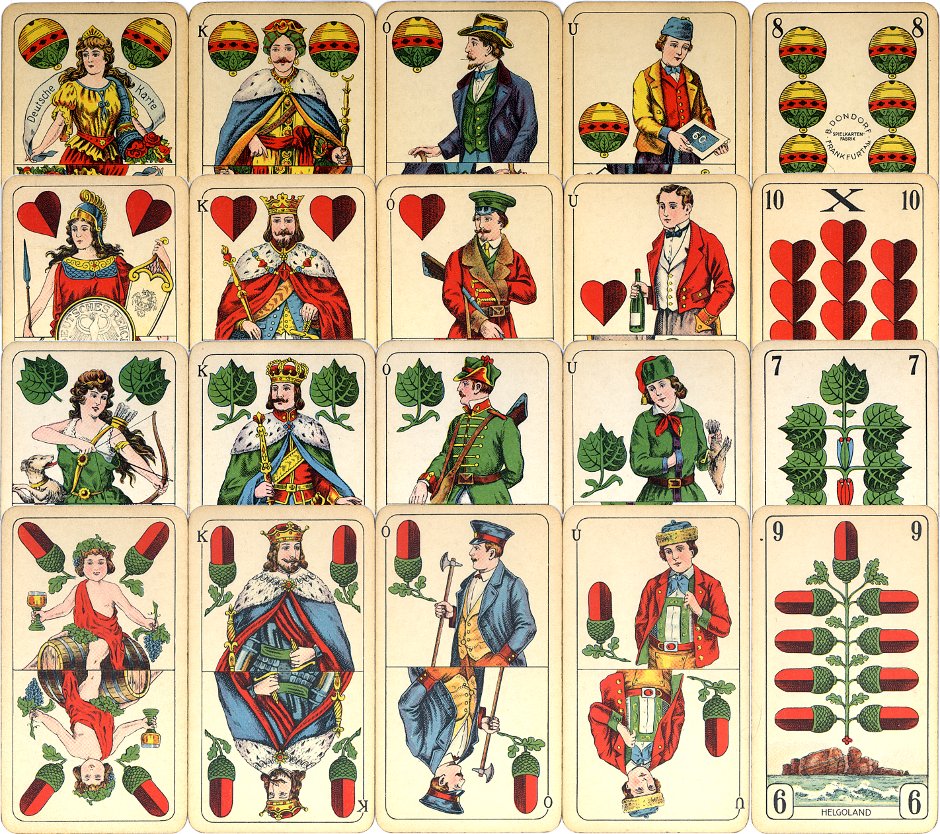
- Einköpfige Deutsche Spielkarte
- Doppelköpfige Deutsche Spielkarte / Gaigel-Karten
- Hauptstadte Spiel “Capital Cities”
- Wahrsage-Karten Lenormand Cards
- Lenormand Cards for H.P. Gibson, London
- Prinz-Karte No.402
- Deutsches Luxusbild No.417
- Neue Klubkarte No.422
- Jagerkarte No.465
- L'Hombre No.60 for Adolph Wulff, Copenhagen
- Luxuskarte No.75 for Adolph Wulff, Copenhagen, c.1928
- Whist No.80 for Adolph Wulff, Copenhagen, c.1928-35
- Poker No.140 for Argentina Compañia General de Navegación
- Promotion deck for Saks & Company, New York, c.1930
- Prussian pattern manufactured by Dondorf GmBH, c.1930
- “Hundertjahrkarte” 100th Anniversary pack, 1933
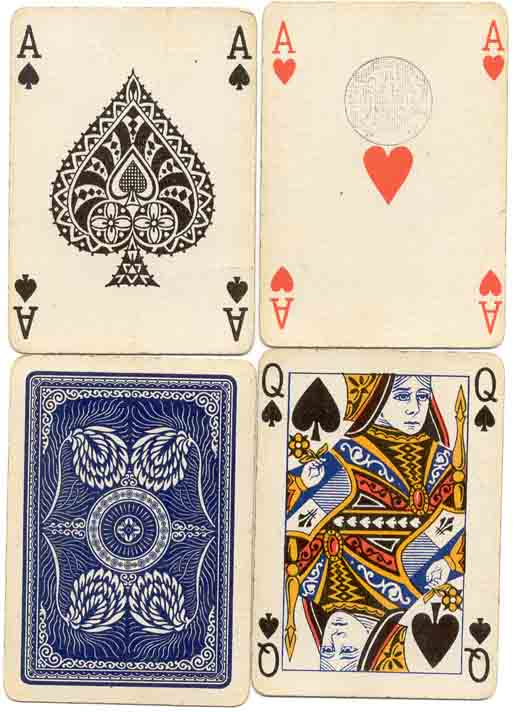
- Superfine Playing Cards No.1101, c.1930
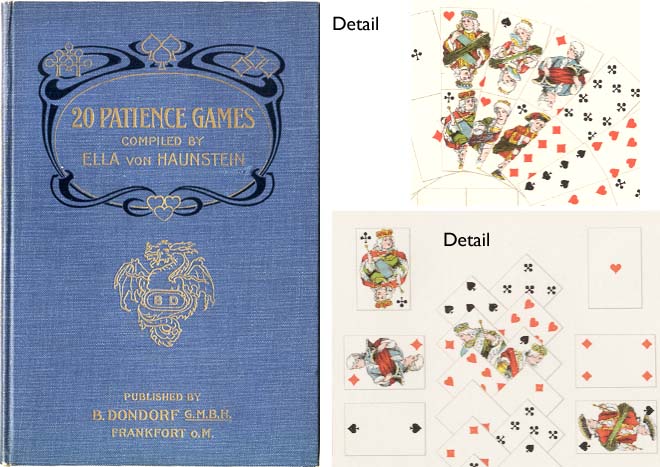
- Dondorf patience book
For printing playing cards the number of colours is an important determinant of quality: four or five for the cheapest and about 15 for the finest varieties. For lower grade cards letterpress printing would be used, but for higher quality, luxury cards, chromolithography was more suitable, so that the intricacies of the colours, as well as cleanliness and accuracy, could be achieved. Before printing the images are separated into the different colours, which are successively printed from different plates with a high degree of precision to achieve the final effect. If this is not the case, the contours of the images are out of focus. Other factors influencing quality are temperature and moisture content, which could stretch or distort the paper during printing.
In 1905 Dondorf became a limited company, and the name printed on playing cards changed to ‘Dondorf GmbH’ (‘Gesellschaft mit beschränkter Haftung’ which, translated literally, means a ‘company with limited liability’). 550 people were employed by Dondorf at that time, around the same time that the Joker and rounded corners began to appear in the decks.
The company's liquidation and sale of individual departments commenced in 1928: Flemming & Wiskott AG acquired the playing card manufacturing interests, operating under the name “B. Dondorf Spielkartenfabrik GmbH, Frankfurt” with plans to consolidate the business and expand exports. In 1933, the company's 100th anniversary, the business was renamed “Vereinigte Altenburger und Stralsunder Spielkartenfabriken AG” and production was gradually transferred to Altenburg. Several of Dondorf's house patterns were transferred to the new ownership and thus continued to be produced, along with Dondorf's dragon trademark. In 1937 the company name became “B. Dondorf Frankfurt / Main, Spielkartenfabrik in Altenburg / Thuringia”. In 1943, the remaining operations in Frankfurt were closed down.
Above: Dondorf Tarock
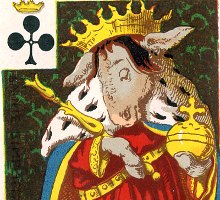
Above: Cartes Comiques
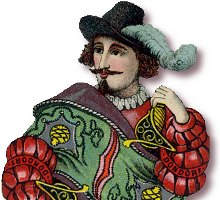
Above: Club Karte
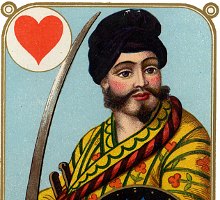
Above: Four Corners
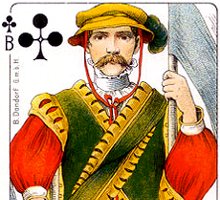
Above: Hauptstadte Spiel
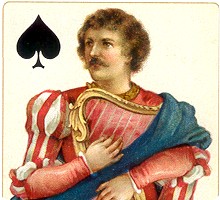
Above: Luxus Club-Karte No.184
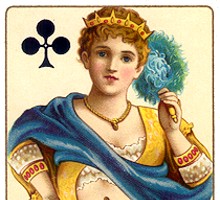
Above: Rococo pattern
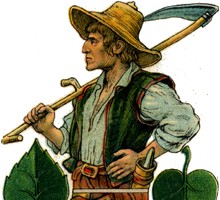
Above: Deutsches Luxusbild
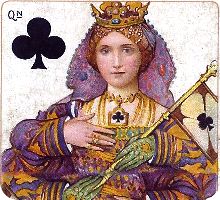
Above: Shakespeare Pack
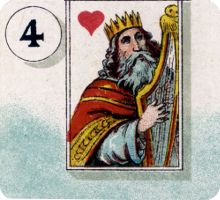
Above: Lenormand Cards for H.P. Gibson
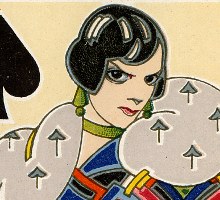
Above: Saks & Co
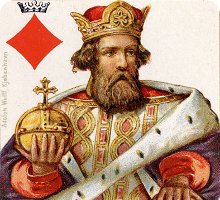
Above: Luxuskarte No.75
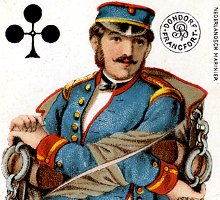
Above: Java Speelkaarten
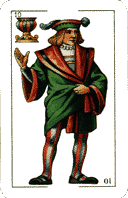
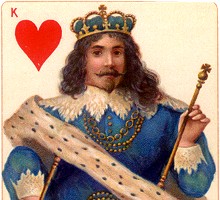
Above: Stuart Zeit
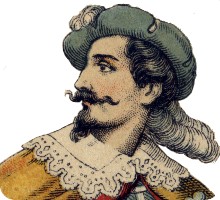
Above: Rhineland pattern
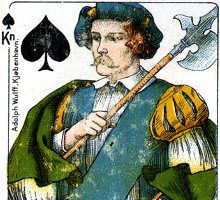
Above: L'Hombre No.60
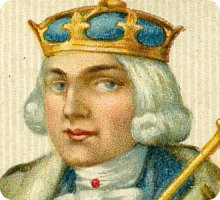
Above: Whist No.80
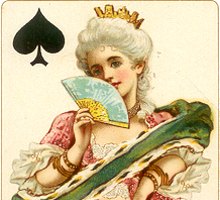
Above: Baronesse
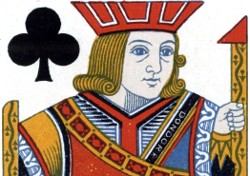
Above: Argentina Navigation Co
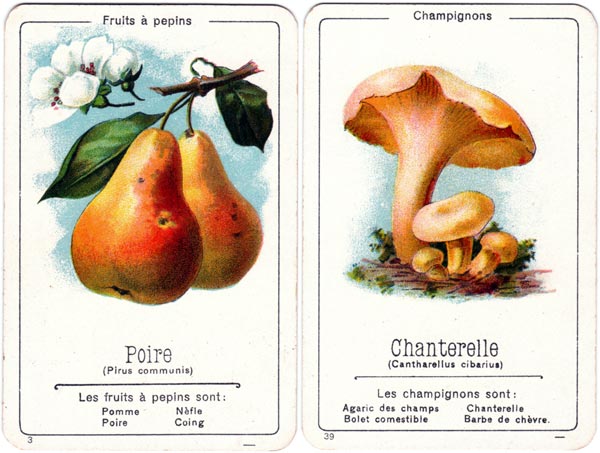
Above: Fruits et Légumes No.342
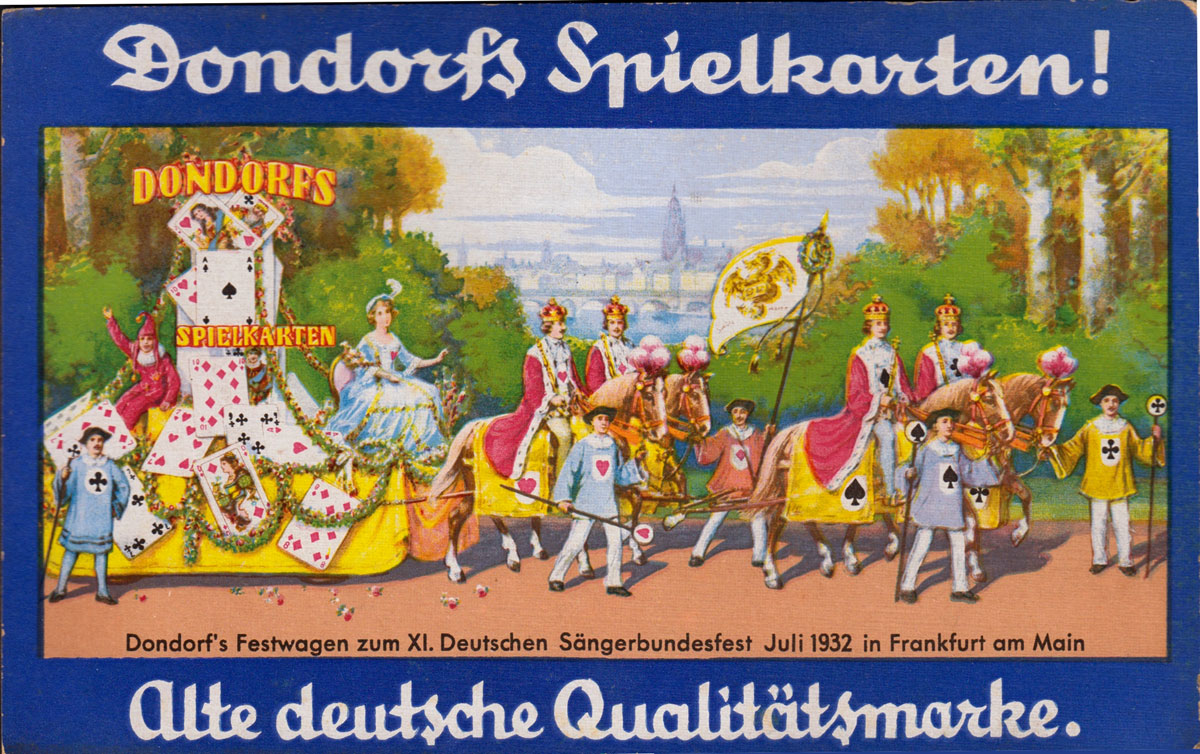
Above: a beautiful advertising card dated July 1932. This card was to celebrate the 11th. festival of the German Singers Association which was held in Frankfurt in 1932 more →
REFERENCES
Hoffmann, Detlef and Dietrich, Margot: "Die Dondorf'schen Luxus-Spielkarten", Harenberg, Dortmund 1983.

By Simon Wintle
Spain • Member since February 01, 1996 • Contact
I am the founder of The World of Playing Cards (est. 1996), a website dedicated to the history, artistry and cultural significance of playing cards and tarot. Over the years I have researched various areas of the subject, acquired and traded collections and contributed as a committee member of the IPCS and graphics editor of The Playing-Card journal. Having lived in Chile, England, Wales, and now Spain, these experiences have shaped my work and passion for playing cards. Amongst my achievements is producing a limited-edition replica of a 17th-century English pack using woodblocks and stencils—a labour of love. Today, the World of Playing Cards is a global collaborative project, with my son Adam serving as the technical driving force behind its development. His innovative efforts have helped shape the site into the thriving hub it is today. You are warmly invited to become a contributor and share your enthusiasm.

Leave a Reply

Your Name
Just now Your comment here. Your comment here. Your comment here. Your comment here. Your comment here. Your comment here. Your comment here. Your comment here. Your comment here. Your comment here. Your comment here. Your comment here. Your comment here. Your comment here. Your comment here. Your comment here. Your comment here. Your comment here. Your comment here. Your comment here. Your comment here. Your comment here. Your comment here. Your comment here. Your comment here. Your comment here. Your comment here. Your comment here. Your comment here. Your comment here. Your comment here. Your comment here.
Related Articles
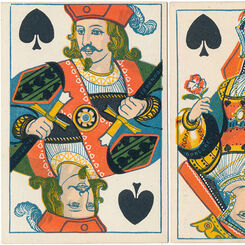
Englische Karten nr.190
Dondorf Nr.190“Englische Karten”, 1867-1895.
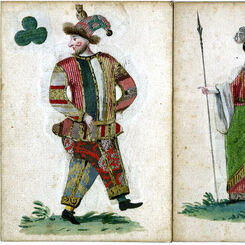
Hand-painted and Silk-inlaid playing cards
Complete pack of 36 hand-painted and silk-inlaid playing cards with French suits made in Germany.
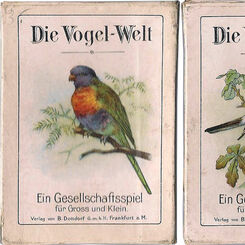
Die Vogel-Welt No. 351
Dondorf’s “Die Vogel-Welt” No. 351 quartet game, c.1905
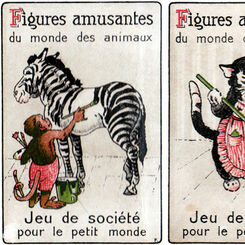
Figures Amusantes
French language edition of a children's quartet game published by B. Dondorf, c.1900, consisting of ...
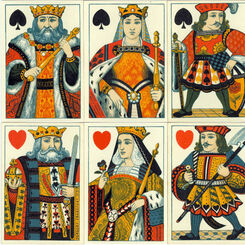
Birma Karte or Englische Karten
Based upon older ‘standard’ patterns, the Kings and Queens are three-quarter length figures whilst t...
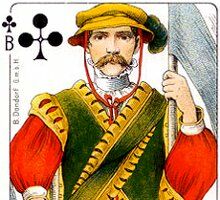
Hauptstadte Spiel
Each Ace shows views of two European capital cities.
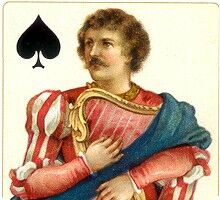
Luxus Club Karte No.184
Another of Dondorf's masterpieces of chromolithography, the detailed artwork on these cards has mult...
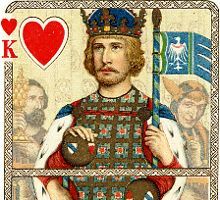
Hundertjahrkarte
A new ‘medieval look’ is intended to suggest the power and virtue of the German character.
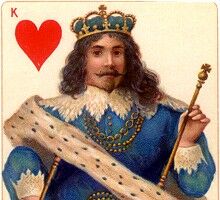
Whist No.178 ‘Stuart Zeit’
Although not historically accurate this example is subtitled “Stuart period”, with rich costumes cre...
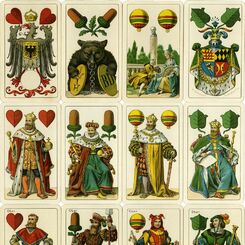
Einköpfige Deutsche Spielkarte No.303
Dondorf's ‘Einköpfige Deutsche Spielkarte No.303’ (‘Single-ended German Playing Cards’) were produce...
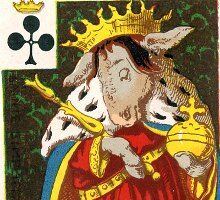
Cartes Comiques, 1870-1888
“Cartes Comiques”, published by B. Dondorf, printed by chromolithography, c.1870-1888.
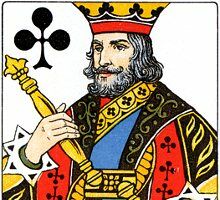
B. Dondorf GmbH: Neue Klubkarte No.422
The designs are a meld between the standard international pattern and German-style French-suited car...
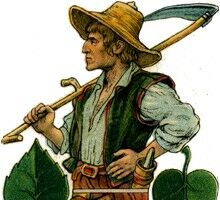
Deutsches Luxusbild
The court cards in this well designed double-ended pack are realistically dressed in 16th century co...
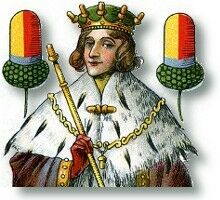
Gaigel-Karten
The Valets in this deck appear in costumes of the Biedermeier period, portraying sentimental and pio...
Club Karte
There have been many variations in the design of “Club Karte” including the introduction of borders,...
10: Playing Cards in Germany
The playing card manufacturers of Germany from 1900 until 1939 provide a complicated set of relation...
Poker No. 140
Dondorf Poker-Karte No. 195, re-issued as Poker No. 140 for the "Argentina Compañia General de Naveg...
Tarot Microscopique
French-suited tarot cards made by B. Dondorf, c.1870.
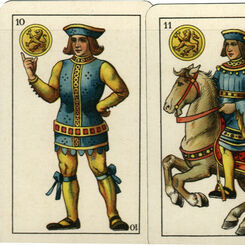
Naipes Finos — No.304 Spanish Pack
Spanische Spielkarten "Naipes Finos" No.304, manufactured by B. Dondorf designed by the catalan arti...
Most Popular
Our top articles from the past 60 days